Bird aftercare guides, written for the questions bird keepers actually have
About 6 million[1] US households keep pet birds, yet most pet aftercare advice is written for dogs and cats. These guides cover what's different about birds: feathers, flockmates, necropsies and ash returns measured in grams.
- Plain-English guides for budgies to macaws and backyard hens
- Honest figures with sources you can check
- Clear next steps when you're ready
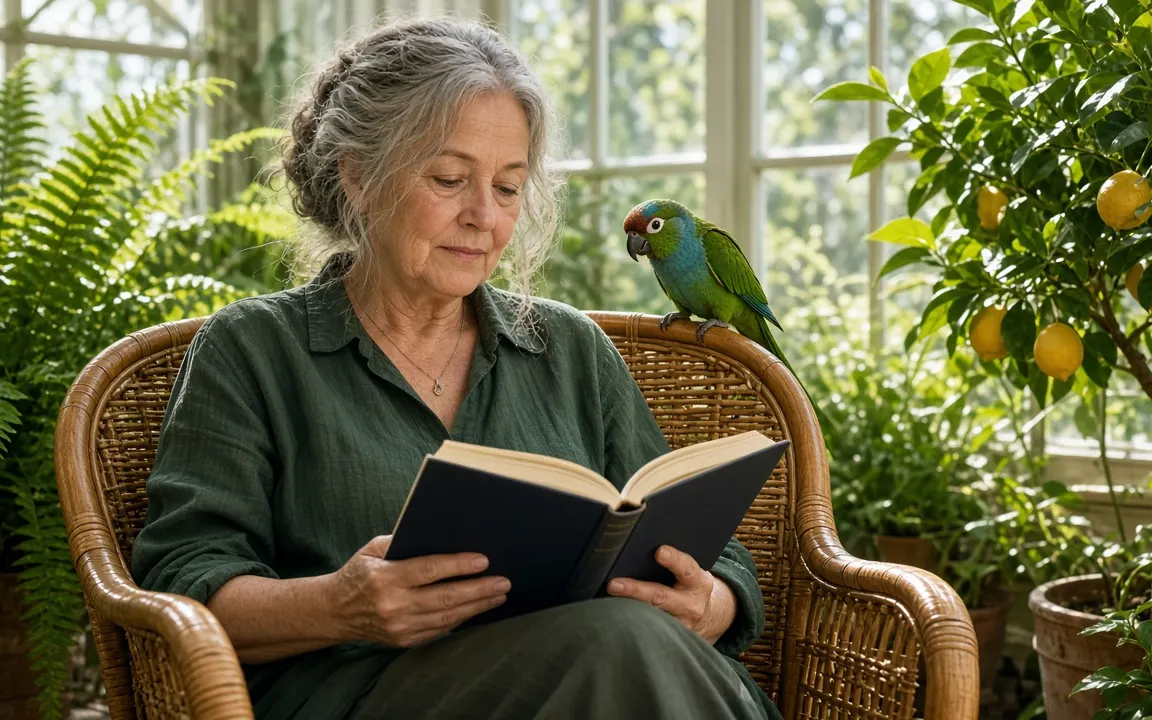
Where to begin
Which guide should you read first?
It depends on where you are right now. If your bird has just died and you're deciding what to do, start with the overview of every aftercare option for a pet bird. It compares cremation, burial and the other choices by bird type, from finches to parrots and hens, and points you to the right next step. If it's a parrot, what to do when your parrot dies lists the first steps in order.
If a decision has already been made, the other three guides go deep on the questions that come next: what to do with feathers, how to look after a bird left behind, and what a very small ash return will look like. Each guide answers its main question in the first few lines, so you can stop reading as soon as you have what you need.
- Deciding what to do: aftercare options matched to your bird
- Keeping something to hold: feather shadowboxes and avian keepsakes
- Another bird is still at home: caring for flockmates after a loss
- Wondering what comes back: micro-ash return for birds and parrots
All guides
In-depth guides to the decisions families face, written in plain English.
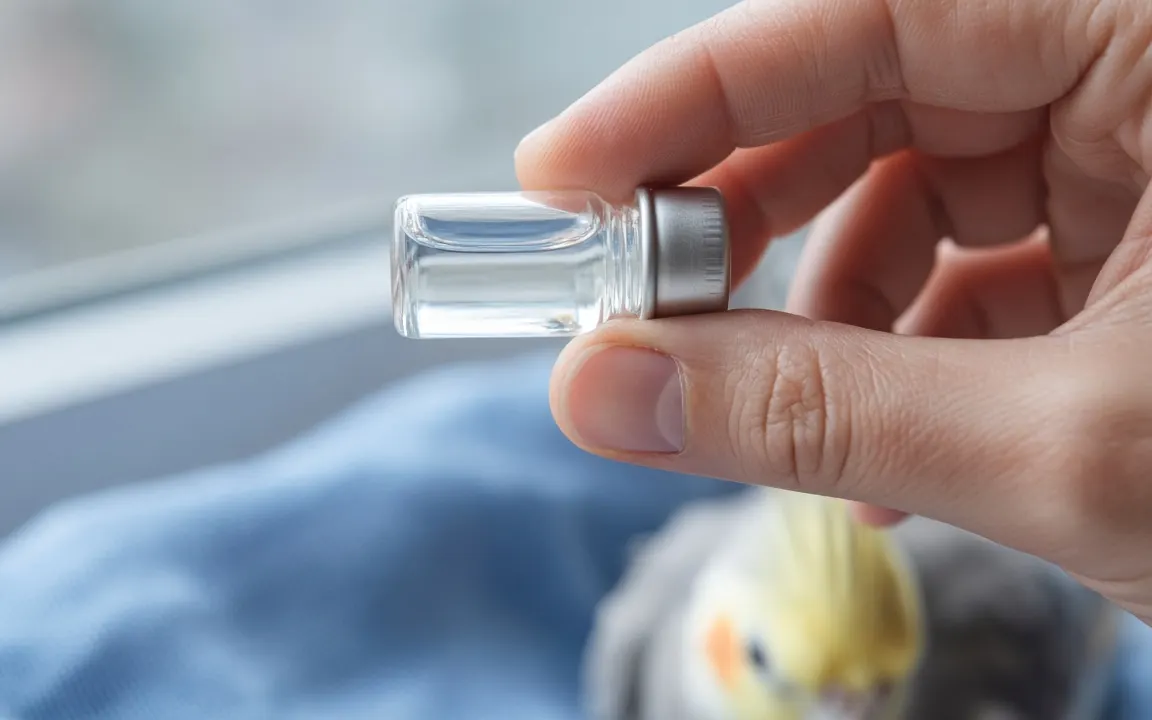
How much ash comes back from a small bird, and how it reaches you
Why a budgie or finch leaves so little ash, how providers recover it, what container arrives, how to confirm it's your bird, and what fits in jewelry.
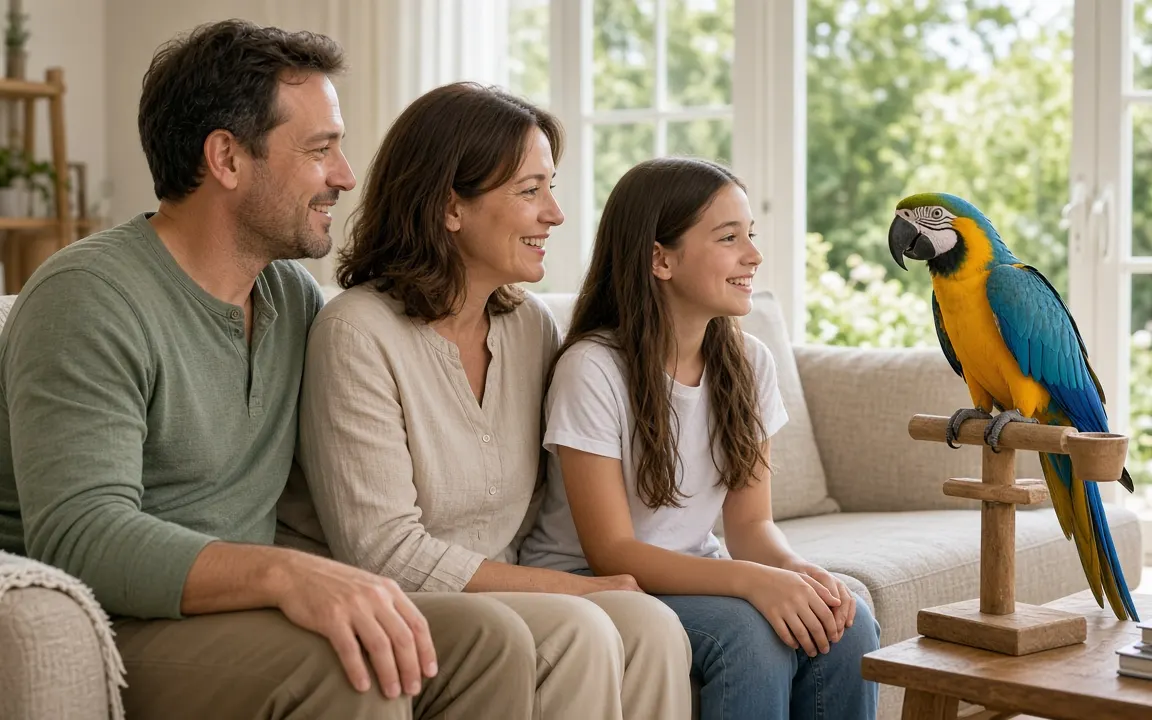
Every aftercare option for a pet bird, matched to the bird
Finch, budgie, parrot or backyard hen? Compare cremation, aquamation, burial, freeze-drying and necropsy for your bird, and see when officials come first.
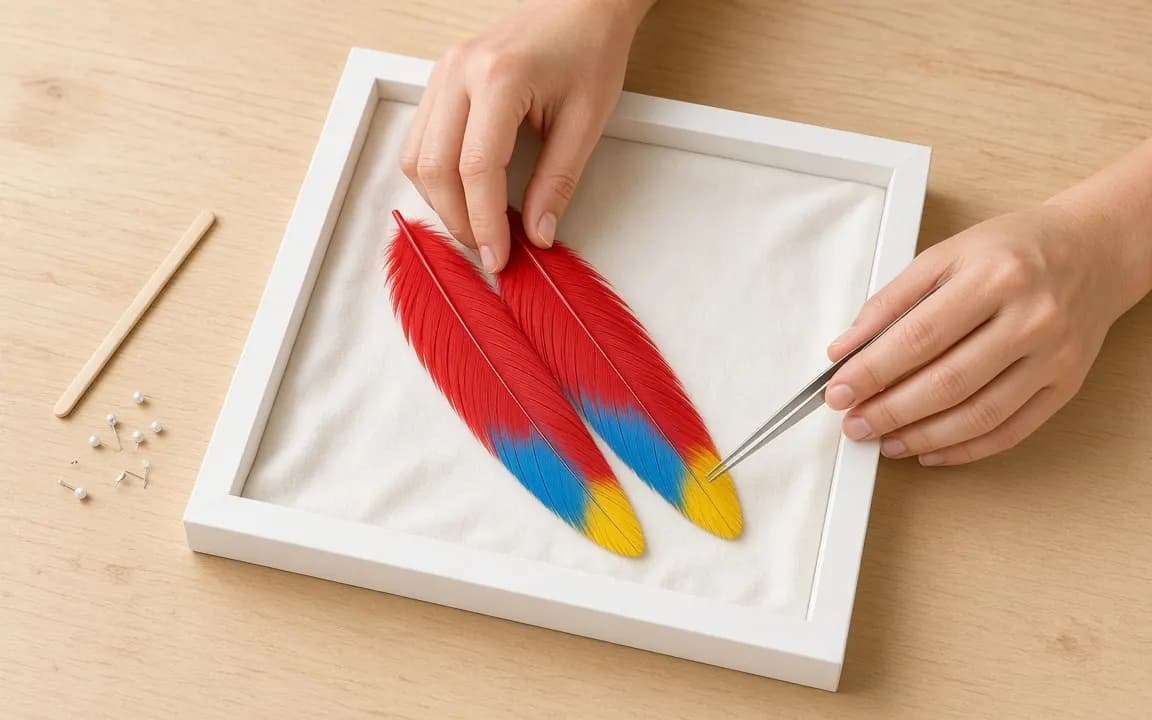
How to make a feather shadowbox for a bird you've lost
How to choose, collect, safely clean and frame your bird's feathers in a shadowbox, with a materials list, DIY vs commissioned options and a US legal note.
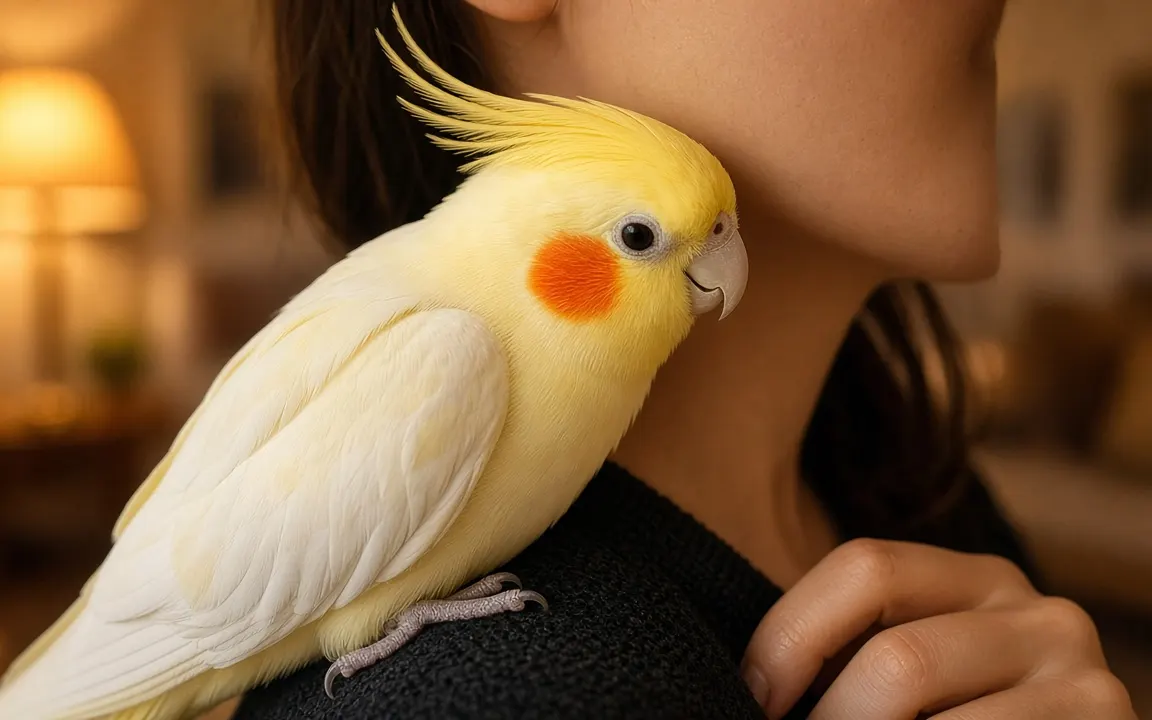
When one bird dies and another is left behind
Should the surviving bird see the body? How to tell grief from illness, when to quarantine, keeping routines, and when (or whether) to add a new companion.
Why a bird-specific guide
Why does bird aftercare need its own advice?
Several things make a bird's aftercare genuinely different from a cat's or dog's, and they're the reason these guides exist. The biggest is scale. Cremated remains weigh roughly 3-5% of body weight[2], so a budgie may leave a gram or two, and many providers' processes and containers are designed for animals a hundred times heavier.
- Birds hide illness, so deaths often feel sudden, and the question of a necropsy comes up far more often than with other pets.
- Some bird infections can pass to people, which changes how you handle the body and whether you keep feathers.
- Birds often live in pairs or flocks, so there may be a grieving survivor to look after as well as yourself.
- Feathers are the keepsake, and they have to be saved before cremation.
- Lifespans vary enormously, from a few years for a finch to decades for a macaw.

Different birds, different questions
Are the guides different for a budgie, a parrot or a hen?
The guides cover all of them, but the emphasis shifts. Budgies are the single most common pet bird: 28%[3] of US bird-owning households have one. For them, the practical question is usually whether private cremation is worth it when so little ash returns, and whether feathers make a better keepsake.
Parrot owners are more often planning for a companion of many years. Median captive life expectancy is about 9 years for African greys but around 21 for blue-and-gold macaws[4], according to the Association of Avian Veterinarians, and individual birds can live much longer. Their questions tend to be about sharing ashes among family and choosing a keepsake worthy of a long bond.
Backyard poultry keepers face one issue the others rarely do: avian influenza. Of the premises infected in the US outbreak through September 2025, 687 were backyard non-poultry flocks[5], according to the USDA APHIS epidemiology report. By our estimate, infected premises averaged about 102,814 birds each[6], a figure dominated by commercial farms. A backyard flock is a very different scale, but the first step, calling a vet, is the same. Several sudden deaths in a flock mean calling a vet before arranging any cremation. The options guide explains when official rules apply.
Which bird are you thinking about today?
Tap an answer to vote and see how others answered. Anonymous.
Tools
Which tools go well with these guides?
Several guides refer to our free calculators, which turn general rules into a figure for your own bird. The one bird keepers use most is the ashes weight estimator, because it shows before you decide how much, or how little, a private cremation will return.

Free tool
Ashes weight estimator
See roughly how much ash to expect back, by species and body weight.
If you're weighing costs, the cremation cost calculator builds a realistic range for your bird's weight and country. All the tools are gathered on the tools page.
Our standards
How are these guides researched and written?
We're an independent guide and request service, not a crematory. We don't handle birds ourselves, which means we have no reason to steer you toward one provider or package. Figures come from published sources such as veterinary studies, regulators' reports and providers' public price lists, and each one is footnoted so you can check it.
Where we've done our own arithmetic, such as converting a percentage into grams for a cockatiel, we label it as our estimate. Care advice is written as general guidance, and we say so when something is a question for your avian vet. You can read more about our sources on the research page and about how requests work on the about page.
A small bird deserves the same careful answers as a large dog, even when the numbers are measured in grams.
Keep reading
Where can you find shorter answers and practical checklists?
Our blog covers single questions more briefly, such as what bird cremation costs, what happens during the cremation and how to cope with grief after losing a bird. The services page sets out every option we can help arrange.
Grief is part of every guide, even the practical ones. More than half of bereaved owners in one large UK survey, 56.7%[7], couldn't find the support they needed. If you'd rather hand the phoning around to someone else, send us your details and we'll reply by email with options near you. The services page and our local pages are the next step when you want real options.

Reader polls
What would you choose?
Vote anonymously and see how other readers answered. The results are live counts from people who visit this site, so they show real opinions, not a scientific sample.
Which bird are you thinking about today?
Tap an answer to vote and see how others answered. Anonymous.
How did your bird's death happen?
Tap an answer to vote and see how others answered. Anonymous.
When did you (or will you) decide on aftercare?
Tap an answer to vote and see how others answered. Anonymous.

Free tools to help you plan
Ashes weight estimator
See roughly how much ash to expect back, by species and body weight.

Cremation cost calculator
Estimate a realistic price range for your pet's size, location and the type of cremation.

Pet age & senior years calculator
Convert your pet's age and see when senior-care and planning conversations usually start.
Questions people ask
Do these guides apply to backyard chickens and ducks?
Yes. Pet hens, ducks and pigeons are covered alongside parrots and small birds. The main differences are size, which means more ash and slightly higher prices, and the need to rule out avian influenza if several birds die suddenly. The options guide explains when to call a vet or state official first.
I'm planning ahead for an older parrot. Where should I start?
Start with the options guide to see what's available, then use the pet age calculator to see where your bird is in their life. Our planning page covers the practical side, including who would take your parrot if they outlive you, which is a real possibility with large species.
Are the prices in the guides what I'll actually pay?
They're typical published ranges, not quotes. Real prices depend on your area, the provider and extras such as pickup or a special urn. Use them to recognize a fair quote, then ask any provider for a written total. We can also gather local prices for you by email.
Who writes the bird aftercare guides?
They're written and edited by our small editorial team, who research published veterinary, regulatory and pricing sources and footnote each figure. We don't operate crematories or sell urns, and we don't publish customer stories or ratings. Our research page explains the process in more detail.
Can I suggest a topic for a new guide?
Yes, please do. Use the contact form and tell us what you were looking for and couldn't find. Questions from bird keepers are the main way we decide what to write next, especially on topics like necropsies, flock losses or unusual species.
Keep reading


Sources and our estimates
- [1] About 6 million US households keep pet birds. American Pet Products Association (APPA) 2025 National Pet Owners Survey release, 2025.
- [2] Embrace notes cremated remains typically weigh about 3-5% of the pet's original body weight. Embrace Pet Insurance - Bury or Cremate Your Dog? Costs, Pros & Cons, 2025.
- [3] 28% of US bird-owning households have a parakeet (budgie). American Pet Products Association (APPA) 2025 National Pet Owners Survey release, 2025.
- [4] Blue-and-gold macaws have a median captive life expectancy of 21 years (record 49); galahs 13 years (record 73) and blue-fronted Amazons 20 years. Association of Avian Veterinarians - Care for Senior Parrots (client handout), Table 1.
- [5] Of 1,741 HPAI-infected premises through September 2025, 687 were backyard non-poultry flocks, 187 backyard poultry and 866 commercial poultry premises (including 494 turkey and 143 table-egg operations). USDA APHIS CEAH - Status and Epidemiologic Analyses of HPAI-affected Poultry Flocks, September 30, 2025 Interim Report, 2025.
- [6] Each HPAI-infected premises averaged about 102,814 affected birds (Feb 2022-Sep 2025). Our estimate: 179,000,000 / 1,741. How we calculate.
- [7] 56.7% of bereaved pet owners in the RSPCA survey could not find the support they needed. RSPCA — Pet Loss Survey Results, 2026.
Get bird aftercare options near you
Tell us what you need and where you are. We'll reply by email with clear options and prices so you can decide in your own time.