Every aftercare option for a pet bird, matched to the bird
The right choice depends mostly on your bird's size and on who else lives in the house: a finch leaves almost no ash, so burial or a feather keepsake often suits it, while a macaw returns enough for an urn. Freeze-drying a small bird costs about $650–$1,350[1] at one US studio, and backyard flocks may need a state vet before anything else.
By the Avian Cremation Services editorial team · Updated September 24, 2026 · 6 min read · Sources
- Nine options, sorted by bird type
- When a vet or state official decides first
- Honest notes on what each one leaves you with

The short answer
Which aftercare option suits which kind of bird?
For tiny birds such as finches and canaries, home burial, communal cremation or keeping feathers usually makes the most sense, because private cremation returns barely a pinch; our answer to whether you can cremate a small bird explains what's realistic. Budgies and cockatiels sit in the middle, where private cremation, aquamation and burial all work. Large parrots return enough ash for an urn, and backyard hens, ducks and pigeons may need a vet or state official to rule out bird flu before you choose anything.
Two questions sort almost every case. First, how big was your bird? Weight decides how much comes back, whether freeze-drying is realistic, and how deep a grave needs to be. Second, are other birds still living with you? If so, finding out what happened may matter more than which urn you pick.
Everything below is laid out bird by bird, so you can skip to yours. Where another article on this site covers a detail in depth, you'll find a link rather than a repeat.
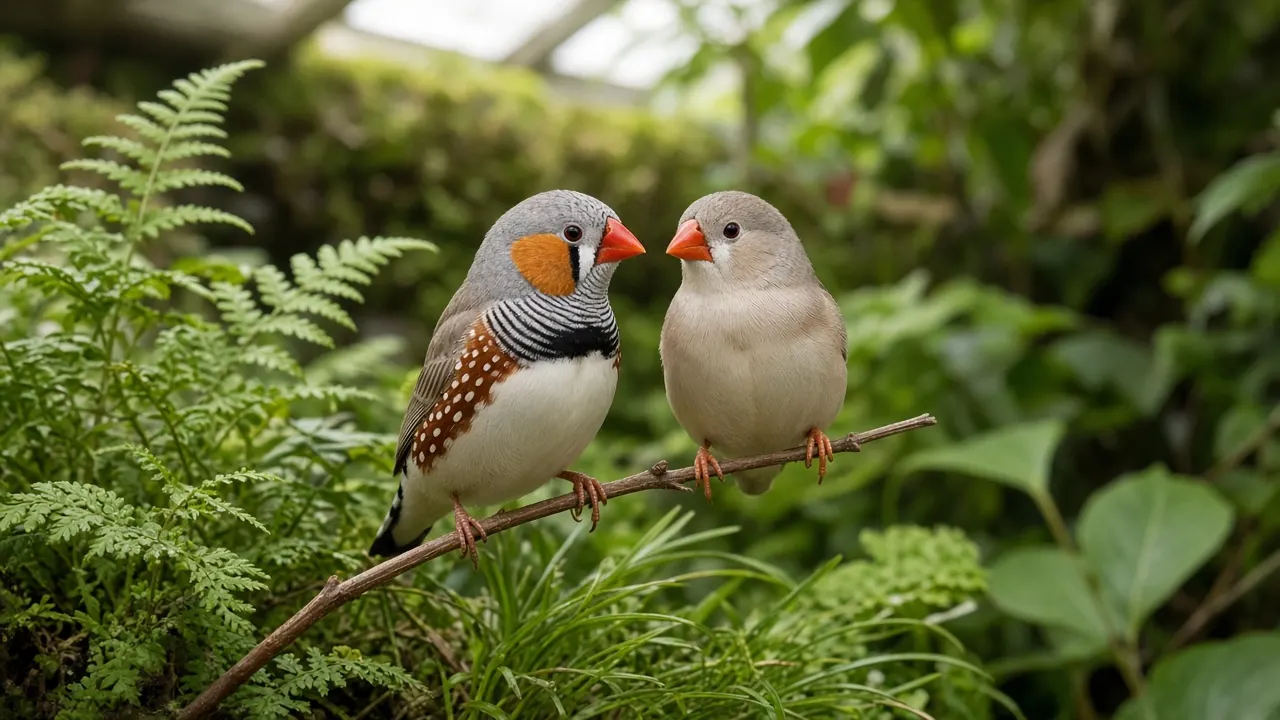
What are all the options for a bird, in one list?
- Private cremation. Your bird is alone in the chamber and everything returned is theirs. Ask whether a small tray or dish is used for very light bodies.
- Partitioned cremation. Several animals share the chamber in separate sections. Cheaper than private, but a few grains of mixing are possible.
- Communal cremation. Animals are cremated together and no ashes come back. Often the gentlest fit for a finch.
- Aquamation (water cremation). Alkaline hydrolysis dissolves soft tissue in warm, alkaline water and returns the bone as a fine white powder. Fewer providers offer it.
- Home burial. Simple and personal for small birds, if local rules and your lease allow it and the death wasn't infectious.
- Pet cemetery. A permanent plot with a marker, useful if you rent or may move house.
- Freeze-drying. Your bird is preserved in a natural pose. Expensive, slow, and a very personal choice.
- Vet clinic disposal. The clinic hands your bird to its contractor, usually for communal cremation. Ask what that means at your practice.
- Necropsy first. An animal post-mortem at a lab, after which your bird can still go on to cremation.
For US price context, Embrace Pet Insurance lists communal cremation at $30 to $200 and private at $100 to $500 or more[2], with birds sitting near the bottom of each range. Our bird cremation services page explains how each option is arranged, and private vs communal cremation for birds covers the chamber details.
How do the options compare for finches, budgies, parrots and hens?
| Bird type | Rough weight | Options that often fit | Worth weighing first |
|---|---|---|---|
| Finch, canary, small softbill | 10 to 30 g | Home burial, communal cremation, feathers kept | Private cremation may return less than a gram |
| Budgie, cockatiel, lovebird, conure | 30 to 150 g | Private or partitioned cremation, aquamation, burial | A surviving partner bird and whether to test for infection |
| African grey, Amazon, cockatoo, macaw | 350 g to 1.5 kg | Private cremation, aquamation, pet cemetery, freeze-drying | Decades-long bond; family may want to share ashes |
| Backyard hen, duck, pigeon | 300 g to 3 kg | Private cremation, burial where allowed | Bird flu reporting, flock health, local burial rules |
If you'd like the trade-offs scored for your situation, the aftercare options comparison weighs cost, timing and what you keep for each path.

Free tool
Aftercare options compared
Compare private, communal and water cremation with burial on cost, timing and what comes home.
Finches and canaries: what if there's almost nothing to return?
Cremated remains usually weigh around 3-5% of body weight[3], and bird bones are thinner and partly air-filled, so a small bird may land at the low end or below. For a 20 g canary that works out to well under a gram: a faint dusting in the bottom of a vial. Some keepers find that comforting. Others open the package and feel let down.
That's why many finch and canary keepers choose communal cremation or a garden grave and put their energy into a keepsake instead: a few bright feathers, a recording of the song, the nest cup. If you do want ashes back, read what micro-ash return looks like for birds first so the container doesn't surprise you, and see feather shadowboxes for the keepsake route.
For a garden grave, a small wooden or cardboard box lined with a cotton cloth works well. Avoid plastic bags, which slow natural breakdown, and place a flat stone over the spot so digging animals move on.
Budgies, cockatiels and lovebirds: the middle ground
Budgies are the bird most of our readers are planning for; 28%[4] of US bird-owning households have one. At this size every option is realistic, and the decision is more about feeling than logistics. A private cremation returns a gram or a few grams, enough for a pendant. Partitioned cremation costs less if you're comfortable with a shared chamber.
These species are also the ones most often kept in bonded pairs. If a partner bird is still with you, the first days matter as much as the aftercare choice. Our guide to caring for a surviving flockmate covers what to watch for and when to call the vet.
Which bird are you thinking about today?
Tap an answer to vote and see how others answered. Anonymous.
Large parrots: what fits a bird who lived for decades?
An African grey or macaw returns enough ash to divide between family members, and people who lived with a parrot for twenty years often want exactly that. Private cremation is the usual choice. Aquamation is a gentler-sounding alternative that uses warm water and alkali instead of flame; according to the Veterinary Sustainability Alliance, pet systems run for about 12–20 hours at 200°F[5] and use roughly as much water as 1–3 pet baths[6].
Freeze-drying comes up more with parrots than with any other pet bird, perhaps because their personalities are so vivid. Expect a long wait (one industry report puts it at three to six months for small animals[7]) and understand that a preserved bird doesn't look exactly as they did in life. See it in person at the studio before committing, and budget for it honestly: by our estimate, freeze-drying a small pet costs ~10×[8] as much as a private cremation. A pet cemetery plot is another steady option for a bird who was part of family life for so long, especially if nobody wants an urn at home.
Backyard hens, ducks and pigeons: when do officials come first?
Poultry is where aftercare stops being purely your call. Highly pathogenic avian influenza (HPAI) has hit backyard flocks hard in the US: through September 2025, 687 of the infected premises were backyard non-poultry flocks[9], a category that covers most pet hens and ducks, according to the USDA APHIS epidemiology report. When a bird dies with signs of the disease, the state veterinarian may decide how the body is handled.
If a single hen dies of old age or a clear injury, you're back to the normal choices. A 3 kg hen needs a deeper grave than a budgie, and many towns and counties restrict livestock burial, so check your local code; if you'd rather cremate, see our guide to pet chicken cremation. Racing and fancy pigeons often carry club leg bands; keep the band as a memento and tell the club if your loft is registered.
Should a necropsy or vet disposal come before anything else?
Choose necropsy first when the death was unexplained and other birds share the air: toxins, infections and husbandry problems can all show up in a post-mortem. Refrigerate your bird rather than freezing, and tell the vet in writing that you want the body released for cremation afterwards. The lab visit adds a few days but doesn't close off any other option.
Vet disposal is the quiet default when nobody asks questions. It's usually communal cremation through a contractor, which may be exactly what you want, but it's worth one question so you aren't guessing later. If you'd rather compare several providers, send us your bird's species and your town, or browse bird aftercare by location to see how rules and prices differ where you live.
There's no wrong way to say goodbye to a bird; there's only the way that fits the bird you had.

Reader polls
What would you choose?
Vote anonymously and see how other readers answered. The results are live counts from people who visit this site, so they show real opinions, not a scientific sample.
Which bird are you thinking about today?
Tap an answer to vote and see how others answered. Anonymous.
If you had to decide today, which aftercare would you choose for your pet?
Tap an answer to vote and see how others answered. Anonymous.
Had you heard of water cremation (aquamation) before today?
Tap an answer to vote and see how others answered. Anonymous.

Questions people ask
What do most people do when a pet bird dies?
There's no national count for birds specifically. When US dog and cat owners were asked about future aftercare, 40.4% preferred flame cremation, 34.9% home burial and just 1.9% aquamation[10]. For birds, size tilts the balance: small birds are often buried at home or cremated communally, while parrots are more often cremated privately so the ashes can be kept.
Is aquamation available for birds?
Sometimes. Fewer providers run alkaline hydrolysis than flame cremation, and not all of them accept very small animals. Where it's offered, it suits birds well and returns a fine, pale powder. Ask whether they process small bodies individually and what volume to expect, because the amount returned can differ slightly from flame cremation.
Can I freeze-dry my budgie or cockatiel?
Yes, several studios accept small birds, though prices are high relative to the bird's size and the wait can stretch to months. Freeze your bird promptly and call a studio before arranging anything else, because a necropsy or cremation rules freeze-drying out. Ask to see finished birds of the same species in person.
Does my vet have to be involved at all?
Not always. If your bird died at home of known old age or an obvious accident, you can arrange burial or cremation directly with a provider. Involve a vet if the cause is unclear, if other birds live with you, or if you keep poultry and see any signs linked to bird flu, since official reporting rules may apply.
Can a pet cemetery take a bird?
Most pet cemeteries accept birds of any size, and small plots or shared-niche options can keep costs down. Ask whether they allow a small casket, whether markers are included, and whether plots are permanent or leased for a set number of years. A cemetery is often a good fit for renters who can't bury at home.
What if I can't decide right away?
Wrap your bird in a paper towel, place them in a sealed bag and keep them in the refrigerator. That gives you a day or two to think, keeps necropsy possible, and doesn't rule out cremation or burial. If you're leaning toward freeze-drying, use the freezer instead and call a studio soon.
Keep reading

Bird aftercare services
How private, partitioned and communal cremation are arranged for birds of every size.

Bird aftercare tools
Estimate ash weight, urn size and cost for your bird.

More bird aftercare guides
Feathers, flockmates and what comes back after cremation.

Ask us for local options
Tell us about your bird and we'll reply by email with providers near you.
Sources and our estimates
- [1] Freeze-drying costs about $850 for a bearded dragon, $950 for a hedgehog, rat or ferret, and $650–$1,350 for a small bird at one Ohio studio. Animal Family Pet Preservation – Pricing, 2026.
- [2] Embrace Pet Insurance lists US communal cremation at $30-$200, partitioned at $50-$250, private at $100-$500+ and aquamation at $80-$450. Embrace Pet Insurance - Bury or Cremate Your Dog? Costs, Pros & Cons, 2025.
- [3] Embrace notes cremated remains typically weigh about 3-5% of the pet's original body weight. Embrace Pet Insurance - Bury or Cremate Your Dog? Costs, Pros & Cons, 2025.
- [4] 28% of US bird-owning households have a parakeet (budgie). American Pet Products Association (APPA) 2025 National Pet Owners Survey release, 2025.
- [5] Pet alkaline hydrolysis systems run at about 200°F at atmospheric pressure with a 5% alkaline solution for 12–20 hours. Veterinary Sustainability Alliance — Aquamation, 2024.
- [6] Aquamation uses about the same water per pet as 1–3 pet baths. Veterinary Sustainability Alliance — Aquamation, 2024.
- [7] Freeze-dry preservation takes 3–6 months for small pets, 7+ months for large dogs and up to a year for very large animals. Astute Analytica via GlobeNewswire — Global Pet Preservation Services Market to Hit USD 112.7 Million by 2032 (Apr 2, 2024), 2024.
- [8] Freeze-drying a cat or small dog costs about 10 times a private cremation. Our estimate: midpoint freeze-dry $1,750 ($1,000–$2,500) / $175 (private cremation 3–24 lb, NC provider). How we calculate.
- [9] Of 1,741 HPAI-infected premises through September 2025, 687 were backyard non-poultry flocks, 187 backyard poultry and 866 commercial poultry premises (including 494 turkey and 143 table-egg operations). USDA APHIS CEAH - Status and Epidemiologic Analyses of HPAI-affected Poultry Flocks, September 30, 2025 Interim Report, 2025.
- [10] Asked their preferred future after-death care, 40.4% of US owners chose traditional flame cremation and 34.9% home burial; 10.7% chose cemetery burial and 1.9% alkaline hydrolysis (aquamation). Cooney, Kogan, Brooks, Ellis - Pet Owners' Expectations for Pet End-of-Life Support and After-Death Body Care, Topics in Companion Animal Medicine (2020), 2020.
Find aftercare options for your bird
Tell us what you need and where you are. We'll reply by email with clear options and prices so you can decide in your own time.