Who we are, and why a guide just for birds
About 6 million[1] US households keep pet birds, yet most aftercare advice is written for dogs and cats. We're an independent guide and request service built around the questions bird keepers actually ask.
- Independent: we don't own a crematory
- Sources named for every figure we use
- Your details used only to answer your request

Why this site exists
Bird keepers deserve answers that fit their birds
Ask a general pet crematory about a zebra finch and you may get a price list built for Labradors. That isn't anyone being careless. It's that birds are a small share of the work, and the questions they raise are unusual: how do you recover remains that weigh a gram, what happens to feathers, should a lab look at the body first, and what if the bird outlives its owner?
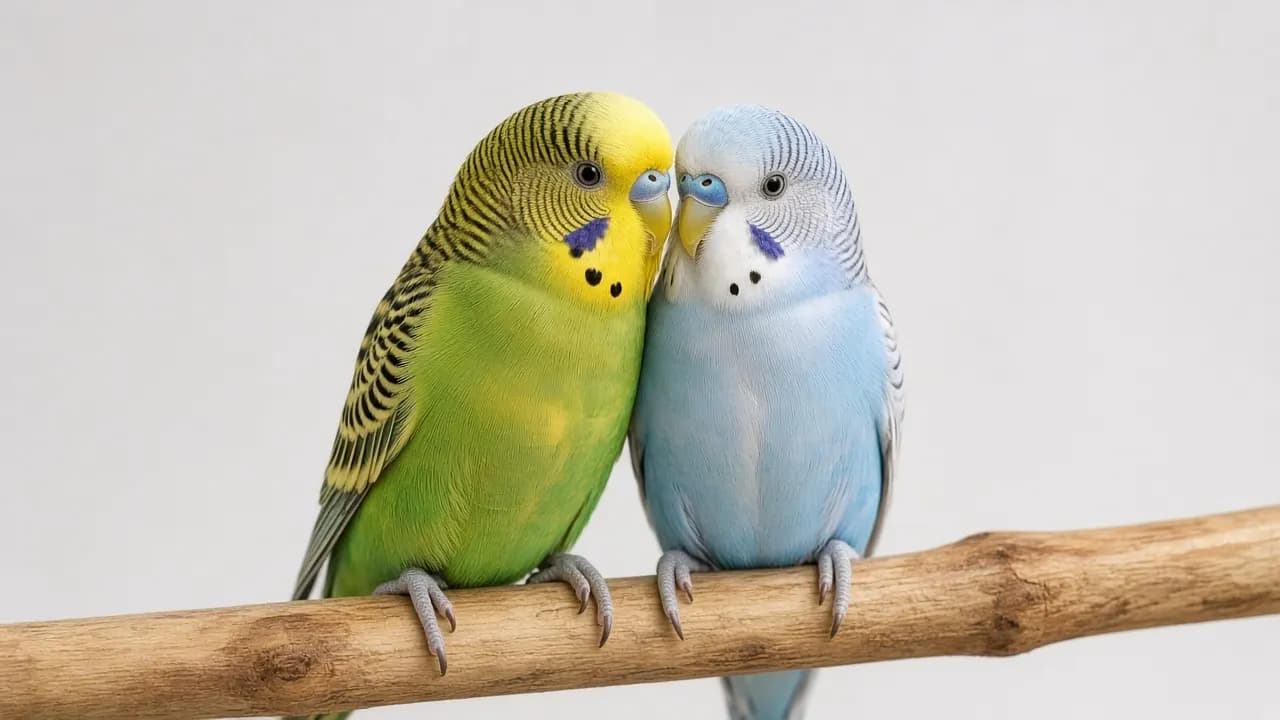
Birds aren't rare pets, though. Europe has about 48.2 million[2] ornamental birds, and in the US 28%[3] of bird-owning homes include a budgie. This site pulls together what those owners need in one place, written for people facing a loss rather than for the trade.
Think of the budgie found silent one morning, or the grey who said goodnight every evening for fifteen years. The guide is written with that kind of loss in mind. Each page tries to answer the practical question first, then leave room for the feeling underneath it.
What we are, and aren't
An independent guide and request service, not a crematory
We don't operate crematories, vehicles or memorial gardens, and we don't employ vets. We write guidance, build free tools, and pass your request to providers who serve your area so you can compare real options. Any cremation is carried out by that independent provider, under their own terms.
That independence is the point. Research by the UK competition regulator (published in the CMA's provisional decision report on vet services) found that 89%[4] of owners who bought a pet cremation never compared providers. Most simply took whatever their vet's contract offered. We'd like you to at least see the alternatives, even if you end up choosing the same one.
Step by step
What happens when you send us a request
- You tell us about your bird. Species, rough weight, where you are and what matters most, such as private cremation, feathers kept or a lab handoff.
- We look for fitting providers. We check which services near you handle small birds and whether they offer what you asked for.
- We reply by email. You get options and prices to compare. You're under no obligation to use any of them.
- You decide. You contact the provider you prefer directly, or ask us a follow-up question first.
You can read exactly what we ask for and why on the contact page. If you'd rather explore alone first, the aftercare tools work without giving us any details at all. The services page sets out every option we can help arrange, our local pages explain how rules and prices change by area, and articles such as questions to ask a bird cremation provider and how micro-ash return works show the kind of detail we try to give.
How we check facts
Where our bird facts and figures come from
Every number on this site links to a source: published price guides, government outbreak data, veterinary association guidance, zoo longevity records and peer-reviewed grief research. Our research library lists them in full. When we can't find a reliable bird-specific figure, we say so and explain what we're using instead.
Some figures are our own calculations, and they're labeled "our estimate". For example, comparing zoo records with typical lifespans, we worked out that an African grey's median captive life is only about 19%[5] of the longest recorded, using the lifespan table in the Association of Avian Veterinarians' senior parrot guide. The inputs are cited; the arithmetic is ours.
geriatric >15 yr (African grey)[6]
Editorial standards
Rules we write by
- No invented reviews, ratings, testimonials or customer stories.
- No claims about staff, offices, years in business or awards we don't have.
- Prices shown as ranges with a named source, never as a promise.
- Poll results shown as live reader votes, never as research findings.
- Pages reviewed and dated, so you can see when advice was last checked.
If you spot something wrong or out of date, please tell us through the contact form. We'd rather fix an error than defend it. You can also see how other bird keepers approached their choices in our reader polls. Live tallies sit on the poll results page.
Which bird are you thinking about today?
Tap an answer to vote and see how others answered. Anonymous.
Transparency
How the site pays for itself
Reading the guides, using the tools and sending a request are all free. Where a referral arrangement with a provider exists, it never changes the price you're quoted and never decides which options we show you. If only one provider near you handles birds well, we'll say so.
Cost is a real worry for many families. One US survey of owners who had made end-of-life decisions found 61%[7] rated the cost of after-death care as a concern. Our memorial budget planner helps you add everything up before you talk to anyone.

Free tool
Memorial budget planner
Add up cremation, urn, keepsakes and a farewell so the total holds no surprises.

Reader polls
What would you choose?
Vote anonymously and see how other readers answered. The results are live counts from people who visit this site, so they show real opinions, not a scientific sample.
Which bird are you thinking about today?
Tap an answer to vote and see how others answered. Anonymous.
Did you (or would you) compare more than one provider?
Tap an answer to vote and see how others answered. Anonymous.


Questions people ask
Are you a pet crematory?
No. We're an independent guide and request service. We help you understand the options for your bird and pass your request to local providers, who carry out the cremation themselves. We don't own equipment, vehicles or premises used for cremation.
Is the advice on this site written by a vet?
No, and we don't give veterinary advice. We summarize published guidance from sources such as avian veterinary associations and government agencies, and we link to it. For anything about your bird's health, illness or cause of death, please speak to an avian vet.
Why do some figures say "our estimate"?
Those are calculations we've made from published numbers, such as comparing a species' typical lifespan with its record. We show them because they help answer real questions, but we label them clearly so you know they're our arithmetic and not a figure from the original source.
Do providers pay to be listed?
Providers can't buy a better position in our replies. We show the options that fit what you asked for, including when that means telling you a cheaper route exists, such as communal cremation with feathers kept or a garden burial.
How do you handle my personal information?
We use your details only to answer your request and to share what's needed with the providers you're matched with. We don't sell your information or add you to marketing lists without asking. The contact page explains what each field is used for.
Do you cover backyard chickens and aviary birds?
Yes, for pet birds kept in small numbers. Many companion-animal crematories accept a pet hen or an aviary bird the same way they'd accept a parrot. We don't arrange disposal for commercial flocks or for cases where bird flu is suspected, because those are handled through vets and agriculture authorities.


Sources and our estimates
- [1] About 6 million US households keep pet birds. American Pet Products Association (APPA) 2025 National Pet Owners Survey release, 2025.
- [2] Europe has about 48 million ornamental (pet) birds. FEDIAF European Pet Food, Facts & Figures 2025 (2023 data), 2023.
- [3] 28% of US bird-owning households have a parakeet (budgie). American Pet Products Association (APPA) 2025 National Pet Owners Survey release, 2025.
- [4] 89% of UK owners who bought a pet cremation did not compare different providers; 9% did. UK Competition and Markets Authority - Veterinary services for household pets, Provisional decision report Part A (Oct 2025), 2025.
- [5] African grey parrots' median captive life expectancy (9 years) is only about 19% of their captive longevity record (48 years); for macaws it is 43% (21 of 49 years). Our estimate: 9 / 48 x 100; 21 / 49 x 100. How we calculate.
- [6] The Association of Avian Veterinarians says most pet parrots will not reach 50 years; birds are considered geriatric from about age 6 (budgies), 12 (cockatiels), 15 (African greys) and 30 (macaws). Association of Avian Veterinarians - Care for Senior Parrots (client handout), Table 1.
- [7] 61% of US owners in the Cooney survey rated the cost of after-death body care as a concern (27.9% concerned, 33.1% very concerned). Cooney, Kogan, Brooks, Ellis - Pet Owners' Expectations for Pet End-of-Life Support and After-Death Body Care, Topics in Companion Animal Medicine (2020), 2020.
Ask us about your bird
Tell us what you need and where you are. We'll reply by email with clear options and prices so you can decide in your own time.