Can you cremate a pet chicken? Yes, and here's how
Yes. Most pet crematories treat a backyard hen like any small pet, usually in their lowest price band, and a 2 to 3 kg hen returns enough ash for a small urn. If more than one bird has died suddenly, call your vet or state veterinarian before arranging anything.
By the Avian Cremation Services editorial team · Updated September 24, 2026 · 6 min read · Sources
- Private cremation for hens, ducks and geese
- Clear steps if bird flu is a possibility
- Low-cost lab necropsy and burial rules explained
The short answer
Can you cremate a pet chicken?
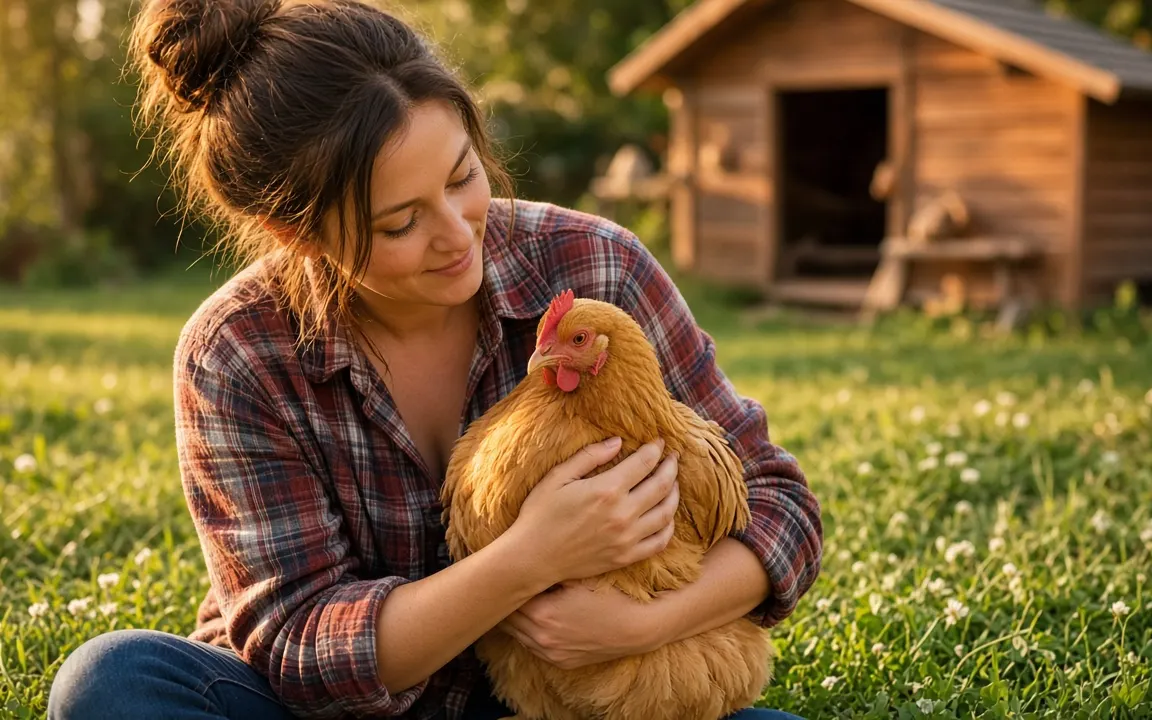
Yes. Most companion-animal crematories accept backyard hens and price them in the same band as a cat or small dog. A typical 2 to 3 kg hen leaves roughly 60 to 150 g of ash, enough to fill a small urn or share between family members. The one thing to check first is whether bird flu could be involved, especially if more than one bird has died.
Chickens have quietly become family pets for a lot of households. The UK has about 900,000[1] domestic fowl kept as pets, and in the USDA's four-city urban chicken study 0.8%[2] of all households kept chickens, rising to 4.3% of single-family homes on an acre or more. Many of those hens have names, sit on laps and follow children around the yard, so wanting a proper goodbye makes complete sense.
Which bird are you thinking about today?
Tap an answer to vote and see how others answered. Anonymous.
Before you call a crematory
Could it be bird flu? What to check before anything else
Highly pathogenic avian influenza (HPAI) is a reportable disease in the US, which means official rules can override your own plans for the body. The current outbreak has affected 179 million birds[3] since February 2022, and backyard flocks are part of it: through September 2025, 187 backyard poultry flocks and 687 backyard non-poultry flocks were infected [4], according to the USDA APHIS epidemiology report. By our estimate, infected premises averaged about 102,814 birds each[5], so outbreak rules are written with huge commercial sheds in mind; a flock of four hens still falls under them, which is why the call to your vet comes first.
Wild birds carry the virus too, with 15,542 detections[6] logged in US wild bird surveillance since December 2021. Ducks and geese on a pond, or wild birds sharing your run's feeder, raise the risk. Meanwhile, wear gloves, double-bag the body, keep the rest of the flock in their coop, and wash boots and hands before touching anything else.
A single old hen dying after a slow decline is a very different picture, and most pet-chicken deaths have ordinary causes: egg binding, reproductive tract disease, heart failure in heavy breeds, predators or heat stress. Your vet can help you judge which situation you're in.
Finding out why
How do you get a necropsy for a backyard hen?
Poultry owners have an option that most parrot owners don't: state veterinary diagnostic labs. Many run poultry necropsy services for backyard keepers, and during bird flu surveillance some offer them at low or no cost. Fees and rules vary by state, so call the lab or your state agriculture department to check, and ask whether they need the bird delivered in person.
Refrigerate the body, don't freeze it, and get it to the lab within a day or two. If you want your hen's ashes back afterwards, ask whether the lab releases bodies to private crematories; some do, while others dispose of all poultry remains themselves, especially where a reportable disease is suspected.
Would you want a necropsy to find out why your bird died?
Tap an answer to vote and see how others answered. Anonymous.
Prices and ashes
What does pet chicken cremation cost, and what comes back?
A hen fits easily inside most crematories' lowest weight band. CareCredit lists US communal cremation at $45 to $75 and private at $100 to $175 for pets up to 30 lb [7]. Even a big Brahma or goose stays well under that limit. Pickup from home, a mileage fee and an urn are usually extra, so ask for a written total.
| Bird | Typical adult weight | Estimated ash | Urn size to look for |
|---|---|---|---|
| Pigeon or dove | 300 to 500 g | 9 to 25 g | Keepsake, under 2 cu in |
| Bantam hen (Silkie, Pekin) | 0.5 to 1 kg | 15 to 50 g | Keepsake, 2 to 4 cu in |
| Standard hen (Leghorn, Australorp) | 1.8 to 3 kg | 55 to 150 g | Small urn, 5 to 10 cu in |
| Heavy hen (Orpington, Brahma) | 3 to 4.5 kg | 90 to 225 g | Small urn, 8 to 15 cu in |
| Duck (Pekin, Runner) | 2 to 4.5 kg | 60 to 225 g | Small urn, 5 to 15 cu in |
| Goose | 5 to 9 kg | 150 to 450 g | Small to medium urn, 12 to 30 cu in |
The urn size calculator turns your bird's weight into a container size, and the cremation cost calculator gives a price range for your country. Our cost guide for bird cremation explains fees that surprise people.

Free tool
Urn size calculator
Find the urn volume you need from your pet's weight, plus keepsake and sharing options.
The main choice
Private or communal cremation for a hen?
Private cremation means your hen is alone in the chamber and every gram returned is hers. It's the natural choice if you want to keep ashes, scatter them in the run or garden she loved, or bury them under a new fruit tree. Communal cremation costs less and returns nothing, which suits keepers who'd rather keep feathers or an egg as the memento.
If you've lost several hens over time, you might keep each in a labeled keepsake box and later place them together. Read private versus communal cremation for birds for the details, or send us your hen's details and we'll email local options, including providers that collect from farms and smallholdings.
Burial and composting
Can you bury a pet chicken, and what about composting?
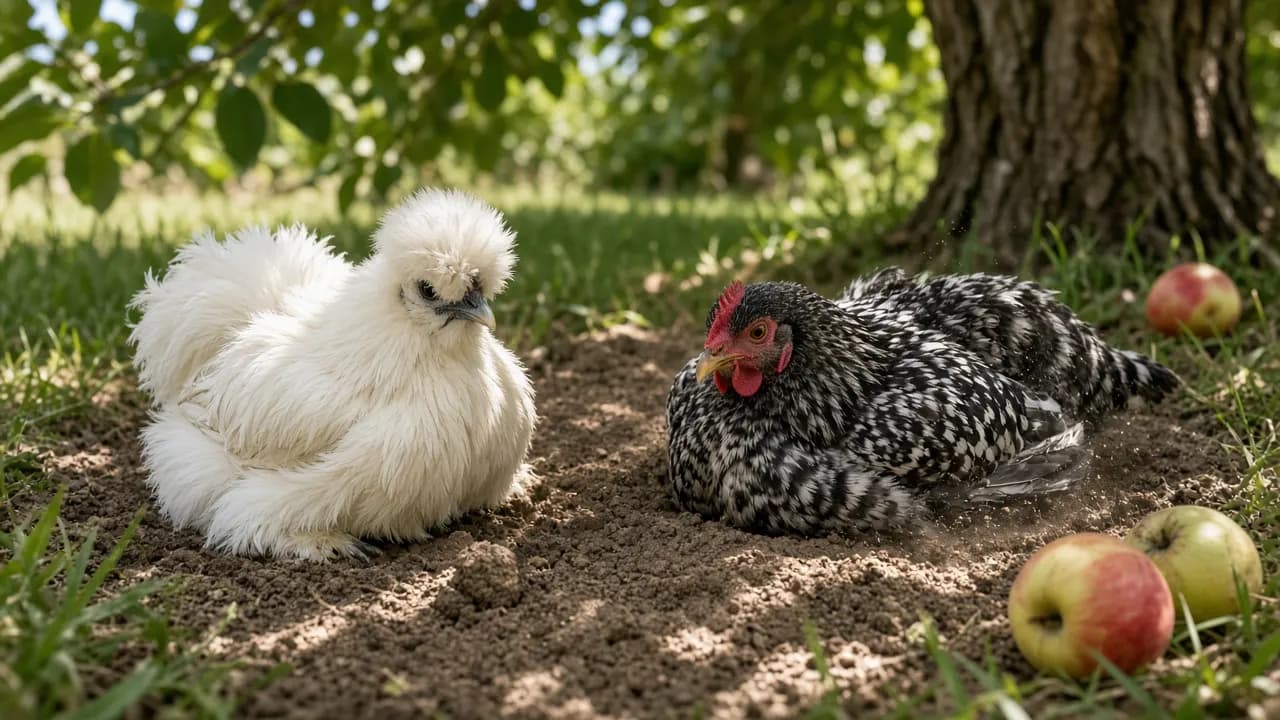
Here chickens differ from parrots, because many laws treat poultry as livestock even when they're pets. Several US states have dead-animal rules that cover poultry: Michigan, for instance, requires burial within 24 hours, at least 2 feet deep and 200 feet from a well [8]. Check your state agriculture department's guidance, as well as city rules, before digging.
In England, burying fallen farm stock is banned, although pets may be buried [9]. Whether a backyard hen counts as a pet or as poultry can depend on how she was kept, so UK readers should check with their local authority or APHA. And never bury a bird that might have had avian influenza until officials have given the go-ahead.
Composting is a proven method for poultry, but at farm scale: in the 2014-2015 US outbreak it handled 85%[10] of poultry carcasses, according to the EPA's guidance on carcass management during avian influenza. A backyard compost bin rarely reaches the sustained heat needed and can attract rats and foxes, so it isn't a good fit for a single pet hen.
Beyond chickens
What about ducks, geese, pigeons and turkeys?
The same approach works for all of them. Ducks and geese need extra care over bird flu, because waterfowl are the species most likely to carry it without looking ill. Geese are also big enough that some providers move them into a second weight band, so mention the weight when you ask for a price.
Racing and fancy pigeons are small enough to be treated like a parrot, and their numbered leg rings are worth keeping. Pet turkeys, especially heritage toms, can weigh well over 10 kg, so confirm the price band and check the provider's chamber size and whether they can collect a bird that heavy.
Something to hold
What keepsakes can you keep from a pet hen?
- Feathers. Glossy hackle and saddle feathers from the neck and back, or a single tail sickle from a rooster.
- Her last egg. Blow it out through two pinholes, rinse and let it dry; it keeps for years in a small box.
- Leg ring or band. Especially from a show bird or a breed with a recorded pedigree.
- A handful of her ashes. Scattered under a favorite dust-bathing spot or placed in a pendant.
Our feather shadowbox guide covers cleaning and framing feathers, and bird keepsakes and jewelry explains ash pendants and resin pieces. If the flock is grieving too, the notes on helping flockmates after a loss apply to hens as much as parrots: pecking orders reshuffle when a senior bird goes. The services page covers flock and multi-bird cremation, and our local pages show which providers near you take poultry.

Reader polls
What would you choose?
Vote anonymously and see how other readers answered. The results are live counts from people who visit this site, so they show real opinions, not a scientific sample.
Which bird are you thinking about today?
Tap an answer to vote and see how others answered. Anonymous.
Would you want a necropsy to find out why your bird died?
Tap an answer to vote and see how others answered. Anonymous.
What would you expect to pay for private cremation of a medium-size dog?
Tap an answer to vote and see how others answered. Anonymous.


Questions people ask
Will a vet cremate a pet chicken?
Many vets who see backyard poultry can arrange cremation through the crematory they already use for dogs and cats, and some farm-animal vets work with providers who collect from smallholdings. If your usual clinic doesn't see chickens, you can contact a pet crematory directly; most accept birds without a vet referral.
How much does it cost to cremate a chicken?
In the US, usually about the same as the smallest pet band: roughly $45 to $75 for communal and $100 to $175 for private cremation, according to CareCredit, before pickup or an urn. Rural providers may add mileage for a farm collection. Ask for a written total that names the bird and the type of cremation.
Do I have to report a dead chicken?
Not for a single hen that died of an obvious cause such as old age or a predator. But avian influenza is reportable, so unexplained sudden deaths, several deaths close together or classic signs like swollen heads and purple combs should be reported to your vet, state veterinarian or the USDA sick-bird line before you move or dispose of the bodies.
Can I put a dead chicken in the trash?
Some areas allow it for a single small animal, double-bagged, but rules vary and many keepers find it hard to do with a pet. It's also a poor idea if disease is possible. Check local rules first; cremation or a properly deep burial are the usual choices for a named hen.
Is it safe to handle a hen that died suddenly?
Use gloves and wash well afterwards, because poultry can carry salmonella as well as avian influenza. Avoid touching your face, keep children and other pets away, double-bag the body and clean your boots before visiting other birds. If bird flu is possible, follow official advice on handling before anyone else touches the body.
Can I cremate a rooster the same way?
Yes. Roosters are heavier than hens of the same breed, often by a kilogram or more, but still sit comfortably in a crematory's smallest band. A rooster's sickle tail feathers make a striking keepsake, so set a few aside before collection if you'd like them framed.


Sources and our estimates
- [1] There are about 900,000 domestic fowl (such as backyard chickens) kept as pets in the UK. UK Pet Food (formerly PFMA) Pet Population 2026, 2026.
- [2] In the USDA's four-city study (Denver, Los Angeles, Miami, New York City), 0.8% of all households and 4.3% of single-family homes on an acre or more kept chickens. USDA APHIS NAHMS Poultry 2010 - Urban Chicken Ownership in Four U.S. Cities, 2010.
- [3] As of September 30, 2025, the U.S. highly pathogenic avian influenza (HPAI) outbreak that began in February 2022 had hit all 50 states and Puerto Rico, infecting 1,741 premises and affecting over 179 million birds. USDA APHIS CEAH - Status and Epidemiologic Analyses of HPAI-affected Poultry Flocks, September 30, 2025 Interim Report, 2025.
- [4] Of 1,741 HPAI-infected premises through September 2025, 687 were backyard non-poultry flocks, 187 backyard poultry and 866 commercial poultry premises (including 494 turkey and 143 table-egg operations). USDA APHIS CEAH - Status and Epidemiologic Analyses of HPAI-affected Poultry Flocks, September 30, 2025 Interim Report, 2025.
- [5] Each HPAI-infected premises averaged about 102,814 affected birds (Feb 2022-Sep 2025). Our estimate: 179,000,000 / 1,741. How we calculate.
- [6] Wild bird surveillance recorded 15,542 H5Nx HPAI detections in at least 193 wild bird species between December 2021 and September 2025, including 8,073 in sick or dead birds. USDA APHIS CEAH - Status and Epidemiologic Analyses of HPAI-affected Poultry Flocks, September 30, 2025 Interim Report, 2025.
- [7] CareCredit's pet cremation guide lists US communal cremation at $45-$75 and private at $100-$175 for pets up to 30 lb. CareCredit (Synchrony) - How Much Does Pet Cremation Cost? (Sept 2023), 2023.
- [8] Michigan requires dead animals to be buried within 24 hours, at least 2 feet deep and not within 200 feet of a well, with no more than 100 burial sites or 10,000 lb of animals per acre. Michigan Farm News (Michigan Farm Bureau) - MDARD reminder: Animal burial options, 2024.
- [9] England bans the burial or open burning of fallen farm stock, but pet animals may be buried, and England (unlike Scotland and Wales) allows burial of both pet and non-pet horses. GOV.UK (Defra/APHA) - Fallen stock guidance, 2024.
- [10] Composting was used for 85% of poultry carcasses in the 2014-2015 U.S. HPAI outbreak; EPA lists composting and permitted landfills as the preferred disposal methods. U.S. EPA - Carcass Management During Avian Influenza Outbreaks, 2015.
Get cremation options for your hen
Tell us what you need and where you are. We'll reply by email with clear options and prices so you can decide in your own time.