Bird Cremation in Minnesota
From finches to macaws to backyard hens, bird aftercare in Minnesota has a few quirks: very little ash, feathers worth saving and, sometimes, a necropsy to protect the flock.
- Help deciding on a necropsy first
- Options for parrots, small birds and hens
- Local providers who collect from your vet
Minnesota, the United States
Bird Cremation in Minnesota: what to know
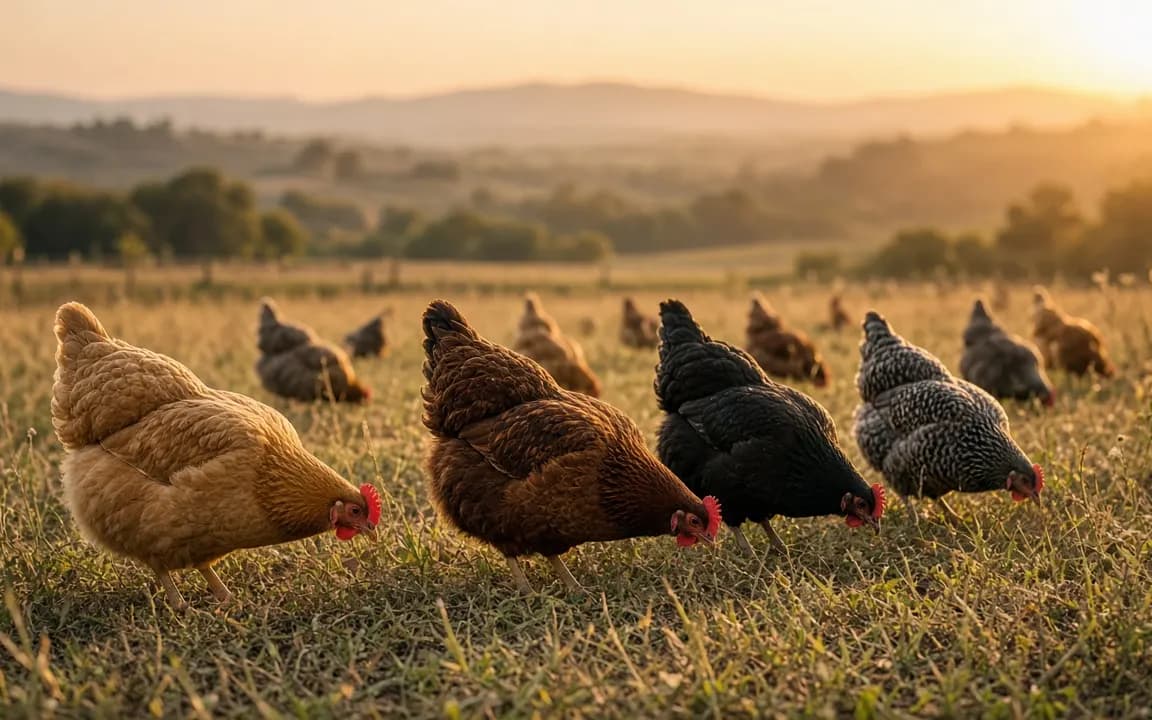
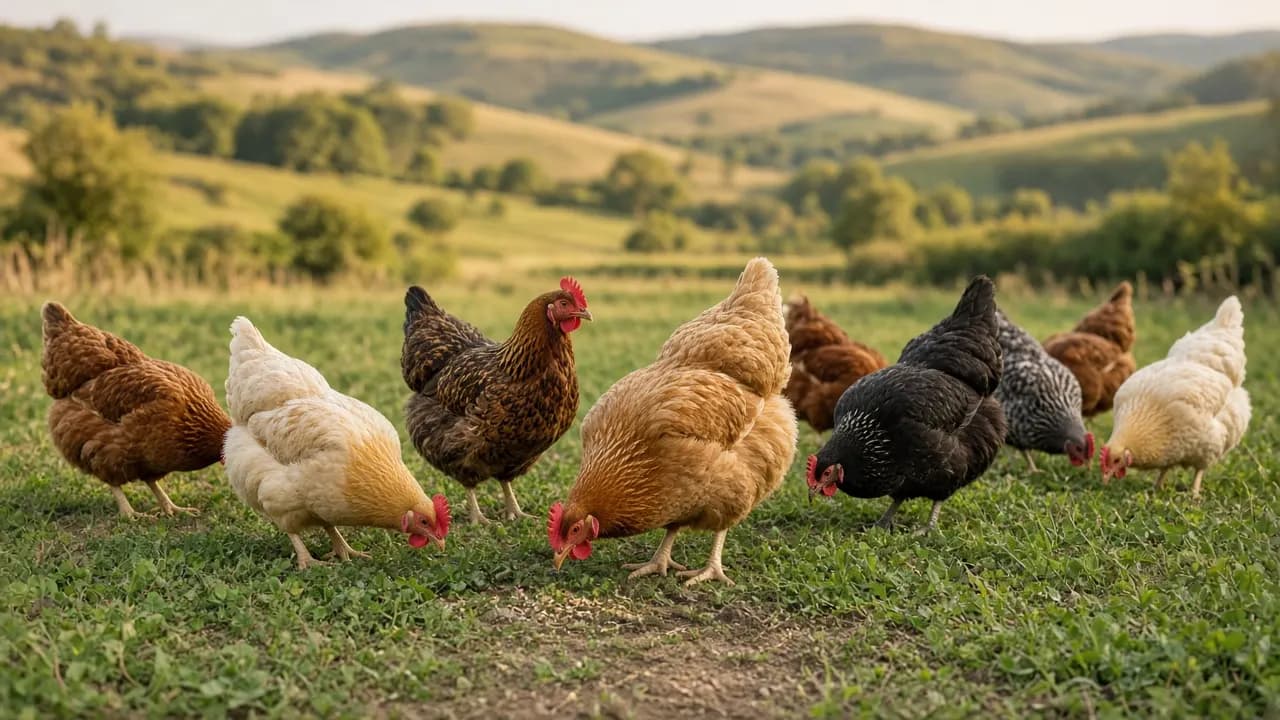
Backyard hens are common across Minnesota, from suburban yards to farms, and they bring one rule every keeper should know: several sudden deaths in a flock may need to be reported before any bird is buried or cremated. For a single pet bird who died of old age, the choices are yours, and this page explains them.
Many bird keepers in Minnesota have more than one bird, and the flockmates left behind matter as much as the aftercare. This guide covers both: how cremation, burial and necropsy work across Minnesota, and how to look after a bonded companion in the week after a loss.
We cover 67 communities in Minnesota, from Minneapolis, Saint Paul and Rochester to smaller towns. Conditions vary a lot across Minnesota: summer highs reach about 83°F in Bloomington, while winter lows average 0°F in Moorhead. In 100% of the Minnesota communities we cover, average lows drop below freezing for three months or more, which matters for home burial.

Every Minnesota community we cover
Choose your city or town for local prices, weather and timing, and rules. 67 communities in Minnesota, largest first below.
- Minneapolis430,324 people
- Saint Paul311,000 people
- Rochester124,292 people
- Bloomington89,034 people
- Duluth88,330 people
- Brooklyn Park83,543 people
- Woodbury81,558 people
- Lakeville79,270 people
Why local cremation habits matter for your bird
Families in Minnesota, where 68.5%[1] of deaths now end in cremation, often mix traditions: a burial for one relative, cremation for another. That flexibility helps with birds. You might cremate a parrot but bury a hen in the orchard, and both can feel right. Choose for each bird rather than setting a household rule.
The cremation figure for Minnesota comes from NFDA 2024 Cremation & Burial Report state projections (via Occasional Sage) (2024). It counts people, not pets, so treat it as a guide to local attitudes rather than a pet statistic.
Bird cremation prices for Minnesota keepers
US providers rarely publish bird-specific prices, so the honest guide is the small-pet band. PetMD puts group cremation from about $50 and private cremation from about $100[2]. For a bird, remains weigh only 3-5% of body weight[3], which is why many Minnesota keepers skip the large urn and choose a vial or keepsake container.
Birds nearly always fall into a crematory's smallest weight band. CareCredit's cost guide lists communal $45-75; private $100-175[4] for pets up to 30 lb, and that single band covers everything from a finch to a macaw. Expect quotes around Minnesota to sit near those figures, with extra charges for collection, after-hours service or a decorative urn.
| Option | Typical US price | What it means for a bird |
|---|---|---|
| Communal, pets up to 30 lb | $45 to $75 | No remains returned |
| Private, pets up to 30 lb | $100 to $175 | Your bird alone; remains returned |
| Partitioned | $50 to $250 | Shared chamber, separate trays |
| Aquamation (water cremation) | $80 to $450 | Offered by fewer providers |
| Source | CareCredit cost guide; Embrace Pet Insurance | Excludes collection, after-hours fees and urn upgrades |

Free tool
Cremation cost calculator
Estimate a realistic price range for your pet's size, location and the type of cremation.
Before you dig or scatter in Minnesota
Cremating a pet bird rarely needs any permit. The rules that do apply to birds are about burial, scattering and disease: where you can dig a grave, and what to do if several birds die suddenly and avian influenza is possible. Here's what applies in Minnesota.
- Burial at home: Confirm the rule for the actual parcel and proposed burial with the local authority and property owner.
- Scattering ashes: Ask the exact land manager about scattering before making arrangements; a general gathering permission is a separate matter.
- Who oversees it: the authority responsible for the specific activity and location; this guide does not identify a universal permit or licensing rule
- Worth knowing: Record the service method, release authority, identification and return instructions in writing.
A city's population does not establish which aftercare activities are allowed at an address. Check the actual site and activity before proceeding.
County and city offices set many of the local rules. To find yours, start with the official Minnesota local government directory.
A short plan for saying goodbye to your bird
- If several backyard birds died suddenly, stop and call your vet or the animal health authority before moving or cremating them.
- Keep your bird cool. Bag them and put them in the refrigerator within an hour in warm weather.
- Call your avian vet, or any local clinic if your avian vet is far away. They can confirm the death and store your bird.
- Ask your questions: is the cremation private, is a tray used for small bodies and when will the remains come back?
- Decide who takes your bird there: yourself, the vet, or the provider's pickup service.
- Choose a container sized for grams, not pounds. A small keepsake urn, a locket or a glass vial is usually plenty.
Ideas for remembering a bird who talked, sang or simply watched
A bird's voice is often what people miss most. Go back through old phone videos for the whistles, words or the doorbell impression, and save the audio somewhere safe. Some families turn a favorite clip into a sound file they can play on the anniversary, or print a QR code for a memorial frame.
If Minnesota is not quite where you are, all locations has the rest. Otherwise the services page, the tools and the poll results are the useful next stops.

Reader polls
What would you choose?
Vote anonymously and see how other readers answered. The results are live counts from people who visit this site, so they show real opinions, not a scientific sample.
Did you keep (or would you keep) any of your bird's feathers?
Tap an answer to vote and see how others answered. Anonymous.
How did your bird's death happen?
Tap an answer to vote and see how others answered. Anonymous.
If you had to decide today, which aftercare would you choose for your pet?
Tap an answer to vote and see how others answered. Anonymous.

Free tools to help you plan
Cremation cost calculator
Estimate a realistic price range for your pet's size, location and the type of cremation.

Ashes weight estimator
See roughly how much ash to expect back, by species and body weight.

Pet age & senior years calculator
Convert your pet's age and see when senior-care and planning conversations usually start.
Questions people ask
How long do pet birds live?
Much longer than many owners expect, but often less than the records. The Association of Avian Veterinarians gives median captive life expectancies of about 5.5 years for budgies, 9 for cockatiels and African greys and 21 for blue-and-gold macaws. Birds are considered senior from around 6 (budgies) to 30 (macaws), which is a good time to plan aftercare.
Can I get a necropsy for my bird in Minnesota?
Usually, through your vet, who sends the body to a diagnostic lab. Keep your bird refrigerated, not frozen, and call within a day or two. Tell the vet in writing that you want a private cremation afterwards, so the lab releases your bird rather than disposing of them.
Can I scatter my bird's ashes in a park in Minnesota?
Rules differ by park and landowner. Many public parks allow discreet scattering with permission, while others don't allow it at all, and private land needs the owner's agreement. As the amount is tiny, many families scatter at home, in a garden bed or a planter, and keep a little back.
What should I do if my bird dies in the heat?
Wrap your bird in a paper towel, seal them in a bag and refrigerate them straight away; small bodies warm fast. In hot parts of Minnesota, such as Bloomington where summer highs average about 83°F, move any surviving birds somewhere cooler and watch them closely.
Do crematories in Minnesota handle very small birds carefully?
Most can, but practice varies. Ask what they place a tiny body on during cremation, whether the chamber is cleared between animals and what container they return. Providers who cremate birds regularly will answer without hesitation. If one seems unsure, try another before you book.
Is cremation common in Minnesota?
For people, about 68.5%[1] of deaths in Minnesota end in cremation, and pet aftercare tends to follow local habits. Among bird keepers, cremation is common for indoor birds, especially in apartments and rentals, while backyard hens are still often buried on the property.

Sources and our estimates
- [1] The NFDA projected Minnesota's cremation rate at 68.5% for 2024. NFDA 2024 Cremation & Burial Report state projections (via Occasional Sage), 2024.
- [2] PetMD says US group (communal) cremation costs from about $50 and private cremation from about $100. PetMD - Pet Euthanasia: How Much Does It Cost? (July 2025), 2025.
- [3] Embrace notes cremated remains typically weigh about 3-5% of the pet's original body weight. Embrace Pet Insurance - Bury or Cremate Your Dog? Costs, Pros & Cons, 2025.
- [4] CareCredit's pet cremation guide lists US communal cremation at $45-$75 and private at $100-$175 for pets up to 30 lb. CareCredit (Synchrony) - How Much Does Pet Cremation Cost? (Sept 2023), 2023.
- [5] Each HPAI-infected premises averaged about 102,814 affected birds (Feb 2022-Sep 2025). Our estimate: 179,000,000 / 1,741. How we calculate.
Tell us about your bird
Tell us what you need and where you are. We'll reply by email with clear options and prices so you can decide in your own time.