Bird cremation in Nagoya
Whether you've lost a 30 g budgie or a parrot who shared twenty years with you, here's how cremation works around Nagoya, what it costs and what you'll actually get back.
- Honest answers on how much ash returns
- Containers sized for a few grams
- No pressure, replies by email
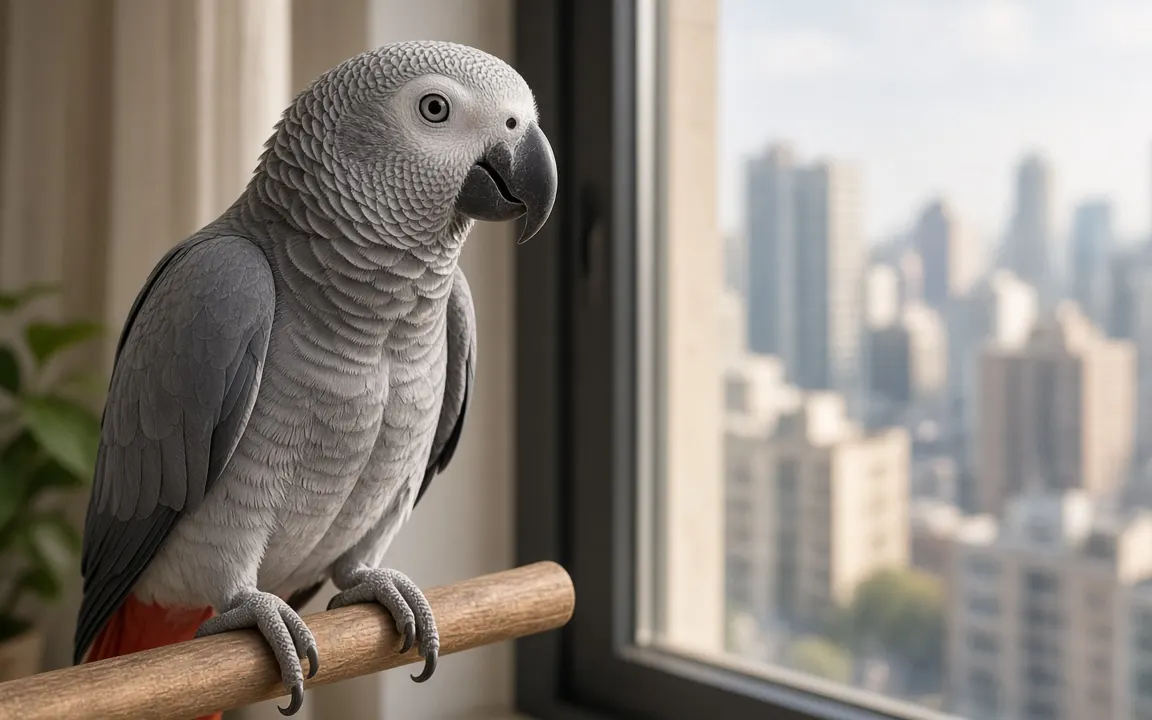
Nagoya, Aichi
Losing a bird in Nagoya: where to start
Nagoya is Japan's car city, at the heart of Aichi's auto industry, and more households here drive than in Tokyo or Osaka. That means many families take their pet to a crematorium themselves, though home collection and mobile cremation vehicles are also available. Homes range from apartments near Sakae to detached houses in the eastern hills. Share your ward and whether you'd like to travel or have your pet collected.
Many Nagoya owners remember their pet most in a particular place: a sunny window, a small garden in the eastern suburbs, or the grounds around Nagoya Castle, Tsuruma Park or the Higashiyama hills. Japanese pet aftercare is well established, and a cremation where the family attends and gathers the bones is common. If you'd prefer something quieter, ashes returned in an urn is equally respectful.
Parrot and finch shows, bird fairs and club meetings in the Nagoya area are a good place to ask about aftercare before you need it. Experienced keepers tend to be frank about which clinics handle small bodies well and which labs give clear necropsy reports. That word-of-mouth knowledge is worth more than a glossy website, especially for a species most crematories see only now and then.
Nagoya is home to about 2,296,000 people.
Families in Nagoya often end up using a provider from Hamamatsu (57 miles), Kyoto (65 miles) and Nara (71 miles). That is normal: crematories serve a radius, not a single town, and the drive is priced into collection.
99.97%[1]
In 2023, 99.97% of deaths in Japan were cremated (1364 crematoria).
6 million[2]
About 6 million US households keep pet birds.
1.4 million[3]
There are about 1.4 million indoor pet birds in the UK (2.7% of households).
3-5% of body weight[4]
Embrace notes cremated remains typically weigh about 3-5% of the pet's original body weight.
Sources for the statistics above: Embrace Pet Insurance and UK Pet Food (formerly PFMA) Pet Population 2026.
Cremation customs in Japan, and what they mean for birds
With roughly 99.97%[1] of people in Japan cremated, many families already have an urn on a shelf. Some choose to keep a bird's remains beside a relative's, or to have them placed in a grandparent's grave later where cemetery rules allow. It's worth asking the cemetery before promising anyone, since rules on adding pet remains differ widely.
The Japan figure comes from Cremation Society of Great Britain, International Cremation Statistics 2023 (2023). It describes people, not pets, so read it as a sign of local attitudes rather than a pet statistic.
What Nagoya's seasons mean for your bird's aftercare
Wherever you are, the first rule for a bird is simple: keep the body cool and bagged, away from food and from other birds. In warm weather that means the refrigerator within an hour or so; in cooler weather you have a little longer. Freeze only if you're sure you won't want a necropsy.
How much to budget for a bird in Nagoya
Across much of Asia, communal pet cremation costs roughly half as much as higher-tier individual services[5]. For a small bird in Nagoya, decide first whether you want remains returned, then ask whether a ceremony, columbarium niche or container is bundled into the price.
Prices for Nagoya track the wider Aichi market, so use the Aichi price table as your baseline and the services page to see what is included.

Free tool
Cremation cost calculator
Estimate a realistic price range for your pet's size, location and the type of cremation.
What Aichi allows for pet birds
Scattering a bird's ashes is rarely regulated in the way people fear, because the amount is so small. Burial is where rules bite: property ownership, leases, homeowners' associations and disease controls. Below is what applies in Aichi, plus the office to call if you're unsure.
In Japan, pet funerals are an established tradition, and small birds such as budgerigars and Java sparrows are popular pets. Many municipalities collect deceased pets for a small fee, but the ashes are not returned; Shinjuku City, for example, charges JPY 3,000 per animal[7]. If you want your bird's remains back, book an individual cremation with a pet funeral provider.
Step by step: from the cage floor to the urn
- Take a breath. If you found your bird on the cage floor with no warning, you haven't missed something obvious. Birds hide illness well.
- Put on gloves or wash your hands well afterwards. Wrap your bird loosely in a paper towel and place them in a small box or clean bag.
- Decide about a necropsy now. Freezing makes an examination harder, so use the fridge if there's any chance you'll want answers. If you're certain you won't, either works.
- Save feathers and the leg band now, while your bird is still with you. Once the cremation is done, neither can be got back.
- Check the birds left behind for fluffed feathers, tail bobbing or changed droppings, and call your avian vet if anything looks wrong.
- Choose private or communal cremation, and ask the provider how they recover very small remains.
- Get the total in writing before you hand your bird over, and check it covers pickup and the container the ashes come home in.
Feathers, songs and other ways to remember
Nagoya's summers are hot and humid, often among the hottest of Japan's big cities, with the rainy season in June and July and typhoons into autumn. A pet's body needs cooling within hours: wrap your pet in a towel, place ice packs near the belly and back, and keep the room air-conditioned. Winters are cold but mostly dry, giving you a little more time, though arranging aftercare in the next day or so is still advisable.
the planning tools turn your pet's details into figures, the guides answer the longer questions and the blog the newer ones, or look at how readers voted in our polls, Our services overview lays out every option side by side. Every other community in Aichi, and all of Japan, is listed too.

Reader polls
What would you choose?
Vote anonymously and see how other readers answered. The results are live counts from people who visit this site, so they show real opinions, not a scientific sample.
If your bird had a companion, did you let them see the body?
Tap an answer to vote and see how others answered. Anonymous.
Would you want a necropsy to find out why your bird died?
Tap an answer to vote and see how others answered. Anonymous.
If you had to decide today, which aftercare would you choose for your pet?
Tap an answer to vote and see how others answered. Anonymous.

Free tools to help you plan
Cremation cost calculator
Estimate a realistic price range for your pet's size, location and the type of cremation.
Ashes weight estimator
See roughly how much ash to expect back, by species and body weight.

Pet age & senior years calculator
Convert your pet's age and see when senior-care and planning conversations usually start.
Questions people ask
Is cremation common in Japan?
For people, yes: about 99.97%[1] of Japan deaths end in cremation, according to Cremation Society of Great Britain, International Cremation Statistics 2023 (2023). Nobody publishes the same figure for pets, but in our experience pet choices in Nagoya follow the human pattern closely, so cremation is the default most families here start from.
Which nearby towns can I compare with Nagoya?
The closest communities we cover are Hamamatsu (about 57 miles), Kyoto (about 65 miles) and Nara (about 71 miles). Providers based in those places often serve Nagoya too. Ask each one for a written total that includes collection, so the distance is priced in.
What happens if my bird dies while I'm away from Nagoya?
Ask the sitter or boarding service to chill your bird, bagged and labeled, then phone your vet so the clinic can take over storage. Nothing needs deciding until you return. Tell the clinic in writing that no disposal should happen without your approval. When you're back, you can choose between private and communal cremation calmly.
How is a bird's cremation different from a dog's or cat's?
The process is the same, but the scale changes everything. A bird's bones are light and many are hollow, so very little remains. Good providers use a tray or small dish so remains aren't lost, and return them in a container sized for grams. Ask how they handle small bodies before you book.
Is a necropsy worth it for my bird?
It's most worth it when other birds share your home or aviary. A necropsy can identify infections, toxins such as zinc or overheated non-stick fumes, and conditions that could affect the survivors. It has to happen before cremation, so talk to your avian vet within a day or two and keep your bird refrigerated meanwhile.
Are my hen's ashes safe to scatter if she had an illness?
Cremation reaches temperatures that leave only mineral remains, so the ashes themselves don't carry infection. The risk sits with the body before cremation, which is why a vet should advise after unexplained deaths in a flock. Once remains come back, you can scatter or bury them as you would any others, following local rules on land and water.


Sources and our estimates
- [1] In 2023, 99.97% of deaths in Japan were cremated (1364 crematoria). Cremation Society of Great Britain, International Cremation Statistics 2023, 2023.
- [2] About 6 million US households keep pet birds. American Pet Products Association (APPA) 2025 National Pet Owners Survey release, 2025.
- [3] There are about 1.4 million indoor pet birds in the UK (2.7% of households). UK Pet Food (formerly PFMA) Pet Population 2026, 2026.
- [4] Embrace notes cremated remains typically weigh about 3-5% of the pet's original body weight. Embrace Pet Insurance - Bury or Cremate Your Dog? Costs, Pros & Cons, 2025.
- [5] In Japan, communal (goudou) pet cremation is often about half the price of higher-tier individual services, and it is illegal to bury animals in public places such as parks or forests. GaijinPot - When Your Pet Dies in Japan (Feb 2024), 2024.
- [6] The median price multiple of private (ashes returned) over communal cremation across 8 markets is about 2.0x, ranging from 1.25x (Tokyo) to 5.2x (Auckland). Our estimate: median(private_price / communal_price) same weight band: US CareCredit 51-70 lb midpoints (250/75) = 3.33x; Auckland 15-25 kg (445/85) = 5.24x; Norway 1-20 kg (3790/1190) = 3.18x; Singapore 10-20 kg (480/260) = 1.85x; Ontario 25-250 lb (549/279) = 1.97x; Tokyo 20-30 kg (38500/30800) = 1.25x; France 20 kg midpoints (200/95) = 2.11x; Germany range midpoints (270/145) = 1.86x. How we calculate.
- [7] Tokyo's Shinjuku City collects dead pets under 25 kg for a fee of JPY 3,000 per animal; they receive communal cremation and burial at a pet cemetery and ashes are not returned. Shinjuku City (Tokyo) - Animal carcass collection (動物死体の引き取り), 2025.
Tell us about your bird
Tell us what you need and where you are. We'll reply by email with clear options and prices so you can decide in your own time.